MODULE THREE: 2/10-2/16: Plains Indians and Manifest Destiny and the Gilded Age
Section outline
-
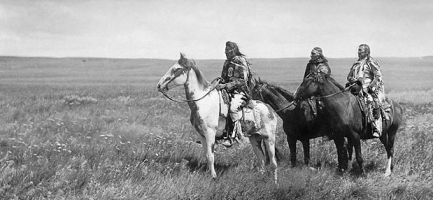
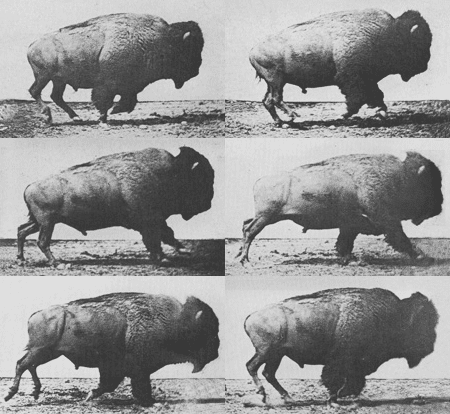
After the Civil War, the federal government once again turned its sights to the west. The War brought new inventions, which propelled parts of the country into the throes of the Second Industrial Revolution. Determined to see the country reach from sea-to-shining-sea, the federal troops began to sweep through the midwest and into Plains Indian territory. The Plains Wars were fought for over four decades. Indigenous nations resisted federal pressure to adopt Euro-American concepts of land ownership and federal regulation. In order to force Indigenous nations to submit to the new rule and ways of life, federal leadership engaged in mass destruction of the Bison and stole Indigenous children and forced them into assimilation. Yet, the outcome of this era was not the destruction of Indigenous lifeways, but rather, the rise of the pan-Indian movement.
There is a Time Limit on the Scavenger Hunt. Make sure to manage your time so that you are able to make an effort to address each prompt. If you find that you are unable to answer a question and must move on to the next then explain what you have discovered or learned in your response to the prompt but keep moving forward. Show your effort but do not get caught up working on this assignment days (which has happened!).
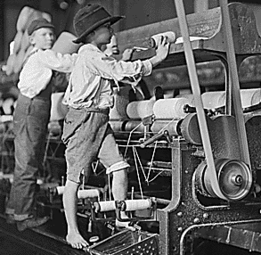
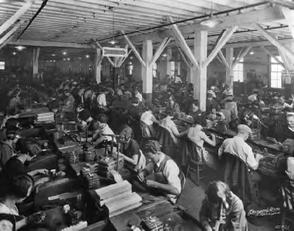
By the late 19th Century, the nation's attention shifted from the struggles to reintegrate the South back into the Union. While the unreconstructed Southerners began to reclaim political power, the Industrial Revolution brought about swift changes to manufacturing and western expansion. New England was the center of manufacturing and expansion of the railroad brought new contacts and war between the federal government and Indigenous Nations out West.
Capitalists and wealthy leaders of manufacturing sought to protect and ensure the freedoms and liberties of employers as the era brought about the rise of large corporations. The idea of "liberty of contract" would challenge standing definitions of freedom as workers unionized, organized, and mobilized. In this module, we will explore these key events and movements.
Read through the content that is assigned this week. You will notice that as we examine the Gilded Age, our readings focus on the impact of westward expansion on various groups. The rise of the Second Industrial Revolution also led to increases in immigration from Europe, but those newly arriving populations were demographically different from earlier immigrants. This will lead to a sharp increase in nativism and anti-immigrant sentiment right here in Massachusetts. These same sentiments had long-term consequences for Chinese immigrants as well. Meanwhile, out West, some groups found the lack of a strong governmental presence made room for challenges to social norms related to identity and sexual orientation.-
This article is required reading for the Scavenger Hunt.
-
-
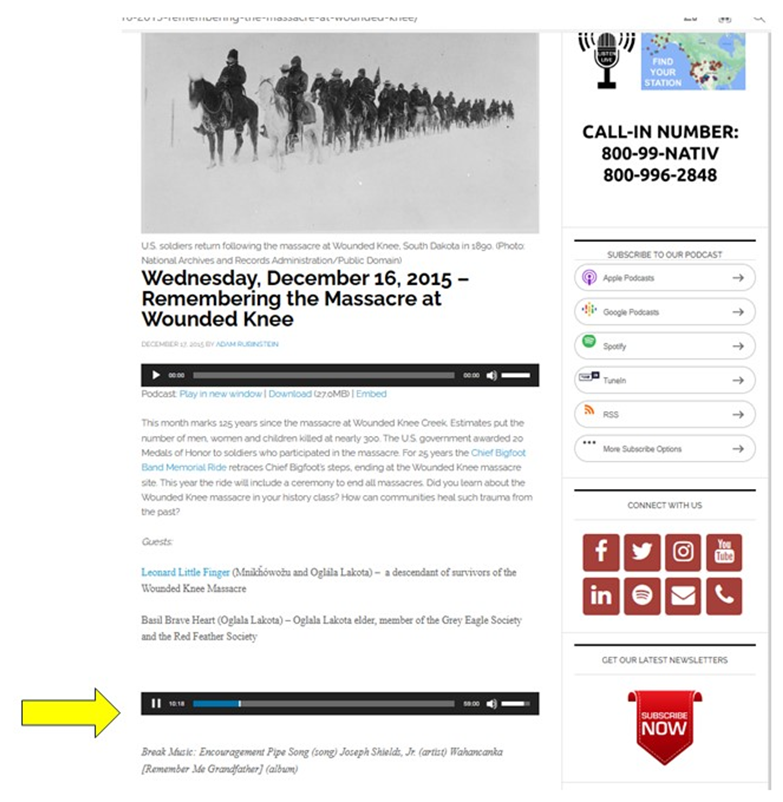
You can listen to this podcast by clicking on the second access towards the bottom of the page.
-
Please read the Overview of the Gilded Age AND the sections entitled, "The Gilded Age", "The Making of Modern America", "Industrializing the Working Class", "The Huddled Masses", "The Rise of Big Business", and "The Rise of the City" & "The Political Crisis of the 1890s" that are located under the "textbook" tab.
-
Please click on each click on each era, i.e., "Potato Famine", "Land of Opportunity", etc. Consider how European migration changed with the rise of the Second Industrial Revolution. What do you think these shifting immigrating populations meant for immigration regulations in the U.S.? Why was there such a rise in nationalism and nativism in Boston?
-
You will need your library card to access this article. If the link is broken, please visit the JSTOR database in the GCC Library and search for the title.